Published on
December 14, 2025

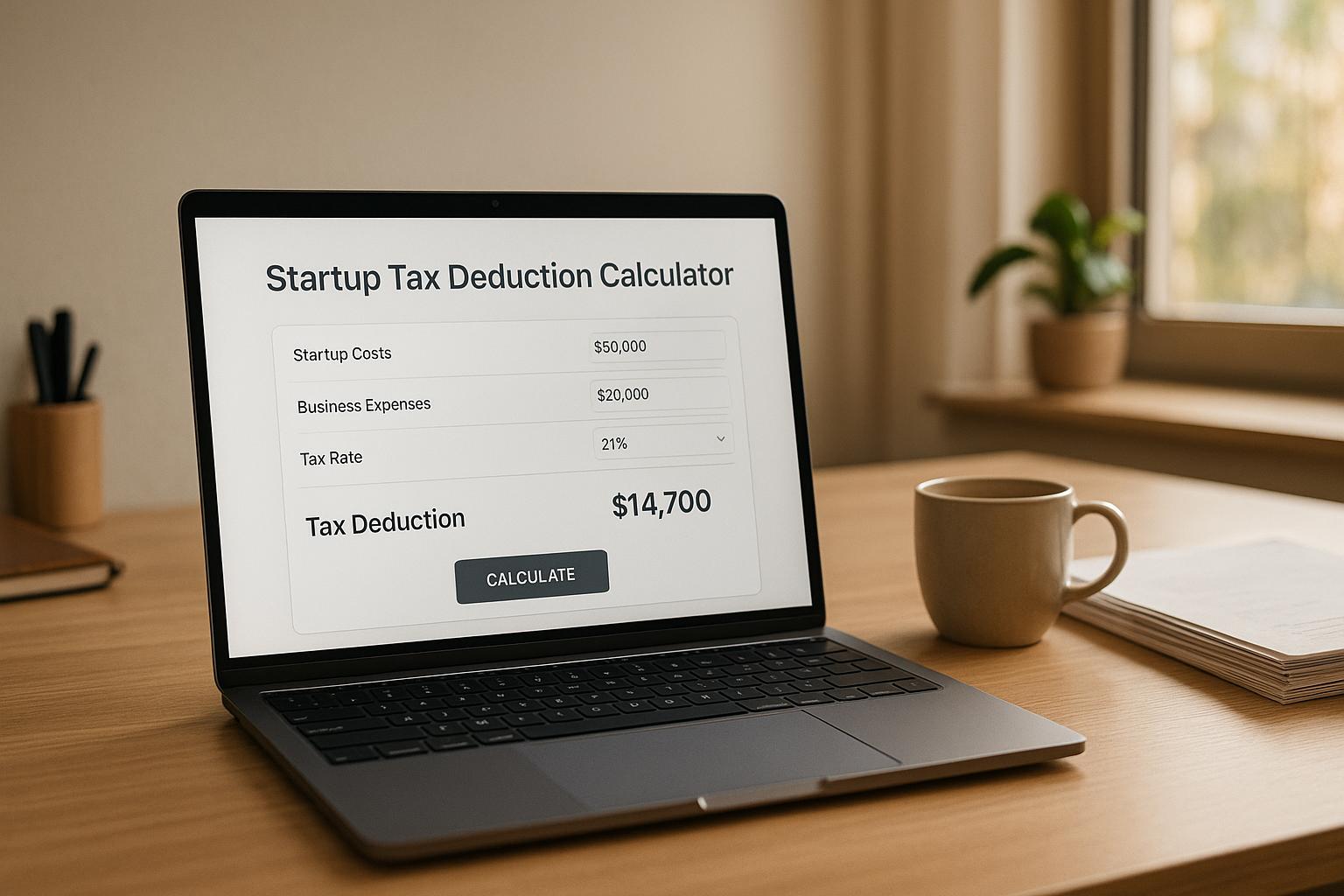
For new business owners, navigating the maze of tax rules can feel overwhelming. That’s where a tool to estimate tax deductions for startups comes in handy. Whether you’re running a sole proprietorship or an LLC, understanding potential savings on expenses like office supplies, travel, or equipment can make a big difference in your bottom line.
When you’re launching a business, every dollar counts. Knowing which costs might lower your taxable income helps you plan better and reinvest in growth. A reliable calculator tailored for new ventures can break down eligible categories based on IRS guidelines, giving you a clearer picture without needing to be a tax expert. From marketing costs to home office setups, many expenses could qualify if you track them properly.
While no tool replaces professional advice, getting a quick snapshot of possible savings is a smart first step. By entering your revenue and categorized expenses, you’ll see a detailed estimate that highlights where you might reduce your tax burden. Curious about how much you could save? Try our free resource today and take the guesswork out of tax planning for your growing business.
Our tool provides a solid estimate based on general IRS guidelines for common startup deductions. We’ve built it to consider typical limits and eligibility rules, but tax laws can get tricky and vary by situation. Think of this as a starting point—always double-check with a tax professional to ensure you’re claiming everything correctly for your specific business.
You can input expenses in key categories that often qualify for deductions, like office supplies, travel, equipment, marketing, and professional services. We’ve preloaded common deductible areas based on IRS rules for startups, so you don’t have to guess. If you’re unsure about a specific expense, the tool will only include it if it matches standard eligibility criteria.
Yes, it can! Different structures—like sole proprietorships, LLCs, or S-Corps—have unique tax rules and deduction limits under IRS guidelines. Our calculator adjusts the results based on the structure you select to give you a more tailored estimate. That said, this is still a general tool, so a tax advisor can help clarify how your specific setup impacts your filings.