Published on
March 5, 2026

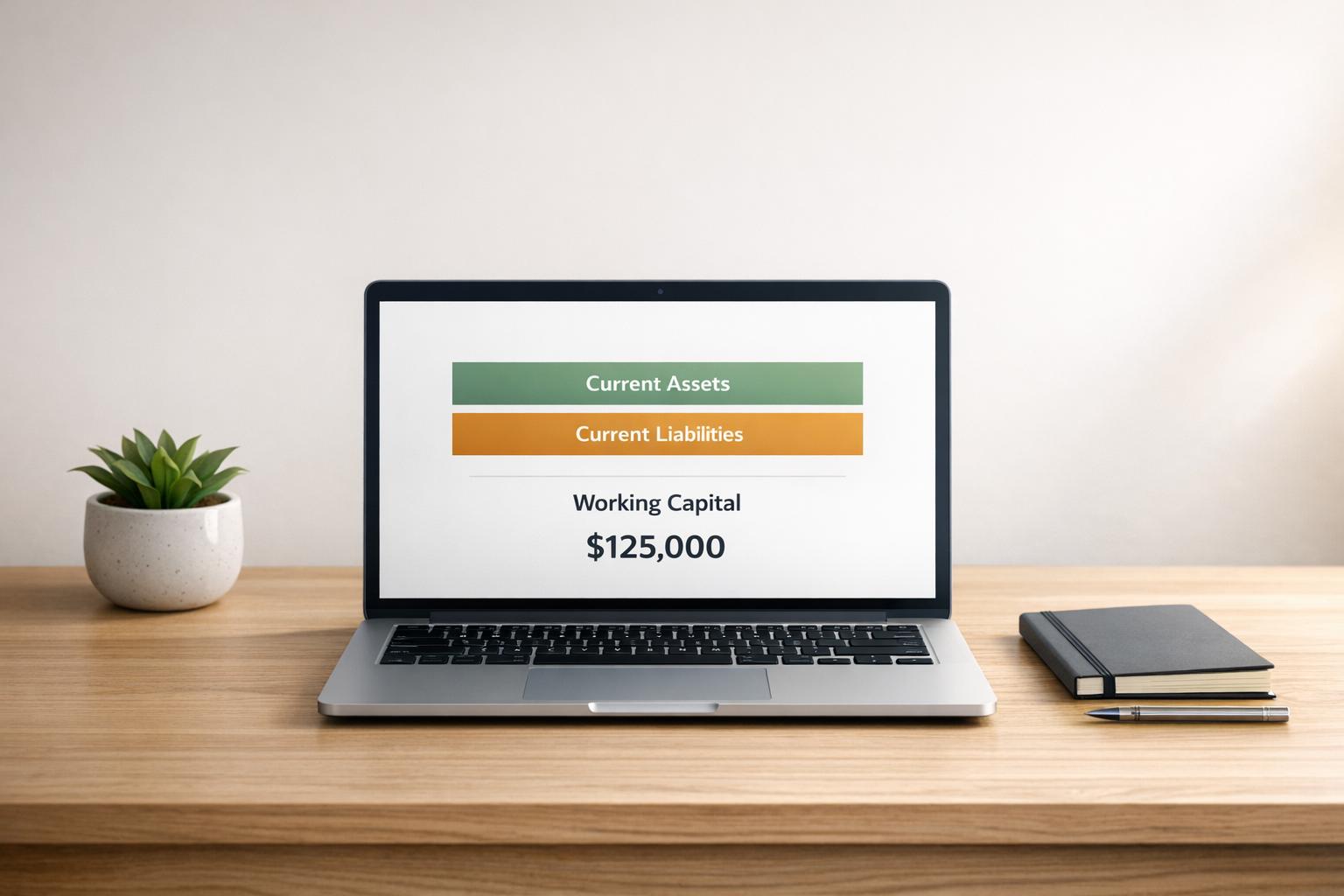
Understanding Your Business’s Financial Health with a Working Capital Estimator
Running a small business or startup often feels like juggling a dozen tasks at once, and keeping track of cash flow can easily slip through the cracks. That’s where a tool to assess your working capital needs becomes a game-changer. It’s not just about numbers—it’s about knowing whether your business can handle the next payroll or unexpected bill without breaking a sweat.
Why Cash Flow Matters
Every entrepreneur knows that cash is king. Having a clear picture of your short-term assets and liabilities helps you make smarter decisions, whether you’re scaling up or just trying to survive a slow month. A working capital calculator takes the guesswork out of this by showing if you’ve got a cushion or if you’re running too lean. Beyond that, it can highlight areas to improve, like speeding up collections from clients or renegotiating payment terms with suppliers.
Taking Control of Your Finances
You don’t need to be a financial wizard to stay on top of your books. Simple tools can provide clarity, letting you focus on growing your business rather than worrying about the next expense. With just a few inputs, you’ll get insights that could save you from a cash crunch down the road.
Working capital is the money you have on hand to cover day-to-day operations after accounting for what you owe and what’s owed to you. Think of it as a snapshot of your short-term financial health. It matters because without enough working capital, you might struggle to pay bills or handle unexpected costs, which can stall growth or even sink a small business. Our tool breaks it down so you know where you stand.
We suggest keeping a buffer of 1-2 months of operating expenses as a safety net. This isn’t a hard rule, but it’s based on common financial advice for small businesses to weather slow periods or surprises. After calculating your working capital, we’ll show how your current funds stack up against this benchmark and offer a nudge if you’re cutting it too close.
Absolutely, startups can use it too! Even if your accounts receivable is zero, you can input your expected expenses and any inventory or liabilities. The tool will still give you a sense of how much cash you’ll need to stay afloat. It’s a great way to plan before revenue starts rolling in, so you’re not caught off guard.