Published on
May 21, 2026

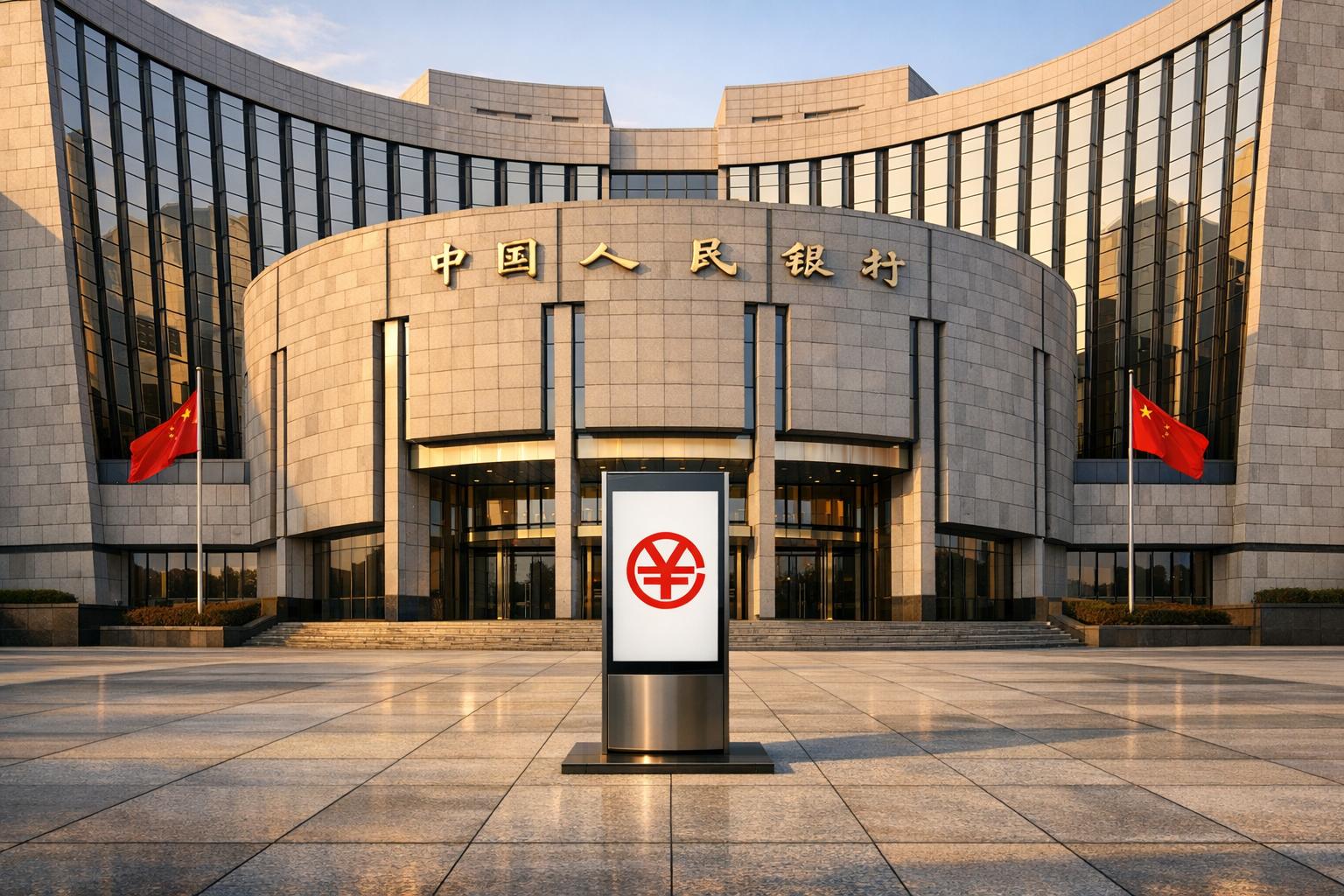
China's State Council has initiated discussions on a draft revision to the law governing the People’s Bank of China (PBoC), signaling a significant shift in Beijing's approach to financial regulation and oversight. The proposed changes aim to redefine the central bank’s authority and integrate financial regulation more firmly under the leadership of the Chinese Communist Party (CCP).
The draft revision to the PBoC Law is part of a broader effort to reshape China's financial regulatory system. The People’s Bank of China, unlike some other central banks such as the Federal Reserve, operates not only as a monetary authority but also as a coordinator across various financial sectors. These include banking supervision, foreign exchange infrastructure, and the ongoing development of the digital yuan.
This revision reportedly extends its scope beyond financial institutions, targeting major shareholders and controllers to ensure accountability. "In English: Beijing wants to look behind the corporate curtain and hold the actual decision-makers accountable, not just the entities on paper", the source explains.
Additionally, penalties for violations are expected to increase, echoing a pattern seen in other industries such as tech, real estate, and education, where broad regulations are met with stringent enforcement to drive behavioral changes.
The draft also seeks to formalize the PBoC's alignment within the CCP's leadership structure. Under Xi Jinping, new financial commissions have been created to oversee systemic risks, and the revised law would solidify the central bank’s role in this hierarchy.
The PBoC Law revision connects to two other key legislative initiatives in China's financial overhaul. The first is the Draft Financial Stability Law, designed to proactively establish mechanisms for managing systemic risks, reminiscent of responses to the 2008 financial crisis. This law would strengthen the PBoC’s ability to coordinate during financial disruptions.
The second involves proposed regulations for China's interbank foreign exchange market. These rules emphasize robust supervision and advanced risk management tools for cross-border capital flows, addressing a critical area of concern for both traditional and digital financial markets.
Together, the revised PBoC Law, the Financial Stability Law, and enhanced foreign exchange regulations represent China’s efforts to create a unified and modern financial regulatory system. Historically, China’s regulatory approach has been fragmented, with different agencies overseeing banking, securities, and insurance. The current reforms aim to centralize authority, reduce oversight gaps, and close avenues for financial risks.
While China banned cryptocurrency trading and mining in 2021, the proposed changes to the PBoC Law could clarify the bank's authority over digital currency issuance and infrastructure. This would have implications for the ongoing development of the digital yuan (e-CNY), which the PBoC has been piloting as a domestic alternative to cryptocurrencies and stablecoins.
The draft revision also touches on cross-border capital flows, a critical issue for international crypto markets. Stricter controls on foreign exchange infrastructure and capital movement could influence stablecoin usage across Asia and impact over-the-counter trading desks that facilitate yuan-crypto conversions.
Additionally, the emphasis on holding major shareholders accountable aligns with global regulatory trends. "The European Union’s MiCA framework and proposed US stablecoin legislation both push toward identifying and holding accountable the actual humans behind financial entities. China is moving in a similar philosophical direction, just with characteristically more centralized execution", the source notes.
The State Council’s discussion of the draft revision marks the beginning of what could be a lengthy process. The final text of the PBoC Law will ultimately determine how China navigates the complexities of modern finance. For now, one direction is clear: Beijing is prioritizing greater control, stricter oversight, and deeper integration of its financial system under the CCP’s leadership. The implications of these reforms will likely ripple across both traditional and digital financial landscapes, potentially reshaping the global economic order.