Published on
May 21, 2026


In a move to modernize financial regulation and foster innovation, President Trump signed an Executive Order titled "Integrating Financial Technology Innovation into Regulatory Frameworks." The Order directs federal financial regulators to reassess their policies to accommodate financial technology (fintech) advancements while balancing safety, soundness, and consumer protection. It also calls on the Federal Reserve to evaluate access for non-bank financial firms to Reserve Bank accounts and services.
The Executive Order highlights a national policy aimed at creating a more inclusive financial sector by lowering regulatory barriers that hinder fintech firms. It acknowledges the contributions of fintech companies in delivering innovative financial services, enhancing access to financial products, and driving economic opportunities across the country.
"Federal financial regulators" are tasked with reviewing their regulations, guidance, and supervisory frameworks to identify and address areas that may limit competition or favor traditional financial institutions over emerging fintech players. The broad scope of the Order defines fintech firms as non-bank entities offering or supporting financial services through technology, including payment systems, lending, digital assets, and blockchain-based services.
The administration’s policy framework is designed to encourage collaboration between federal regulators, traditional financial institutions, and fintech firms. It emphasizes streamlining regulatory processes and reducing unnecessary restrictions while maintaining market integrity and financial stability.
Under the Order, federal financial regulators are required to complete specific reviews and updates within strict timelines:
This directive applies to several agencies, including the Consumer Financial Protection Bureau, the Securities and Exchange Commission, and the Federal Deposit Insurance Corporation, among others.
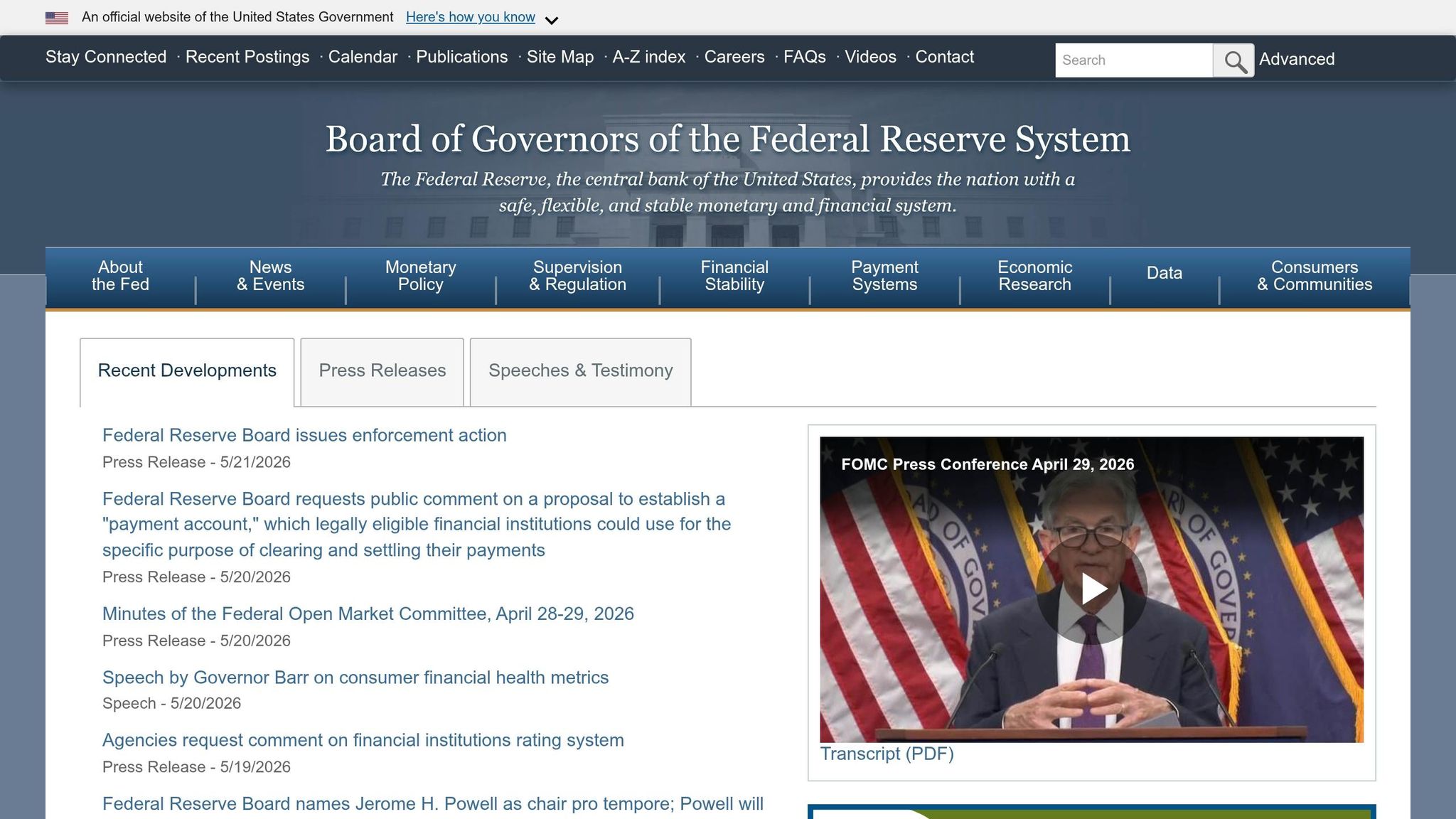
The Order also asks the Federal Reserve to evaluate its policies regarding access to Reserve Bank accounts and services for fintech firms and other non-bank entities. Within 120 days, the Federal Reserve is requested to submit a report to the President addressing:
Should the Federal Reserve determine that existing laws permit direct access for certain firms, the Order requests the establishment of a clear application process with decisions rendered within 90 days of submission.
While the Executive Order seeks to reduce regulatory burdens, it explicitly calls for maintaining robust safeguards to protect consumers, investors, and financial systems. It emphasizes that any regulatory updates must align with applicable laws and ensure financial stability and integrity.
The administration’s focus is not simply on deregulation but on ensuring that the regulatory environment supports a modern, technology-driven financial sector. By encouraging federal agencies to collaborate with fintech firms, the Order aims to position the United States as a leader in financial innovation while addressing regulatory inefficiencies that may unfairly benefit incumbents over new market entrants.
In summary, President Trump’s Executive Order marks a significant step toward integrating fintech into the broader financial ecosystem. While the immediate outcomes remain to be seen, the directive sets a clear agenda for regulators to balance innovation with oversight, fostering a competitive and inclusive financial sector.