Published on
February 13, 2026

Starting a new venture is thrilling, but managing your initial expenses can feel overwhelming. That’s where a solid financial planning tool comes in handy. Entrepreneurs often juggle costs like office space, team salaries, and advertising, all while trying to keep the big picture in focus. A well-designed budgeting resource can break down these numbers, helping you allocate funds wisely over the first critical year.
When you’re launching a company, every dollar counts. Unexpected expenses can derail even the best ideas if you’re not prepared. By mapping out costs for utilities, equipment, and other essentials, you gain clarity on what’s sustainable. This kind of foresight lets you prioritize spending—maybe cutting back on fancy gear to invest more in customer outreach. Plus, seeing a percentage breakdown of your allocations can reveal if you’re too focused on one area at the expense of another.
Tools that simplify expense tracking are a game-changer for small business owners. They turn complex projections into clear, actionable insights. If you’re ready to build a strong foundation, start by organizing your finances with a practical solution tailored for entrepreneurs.
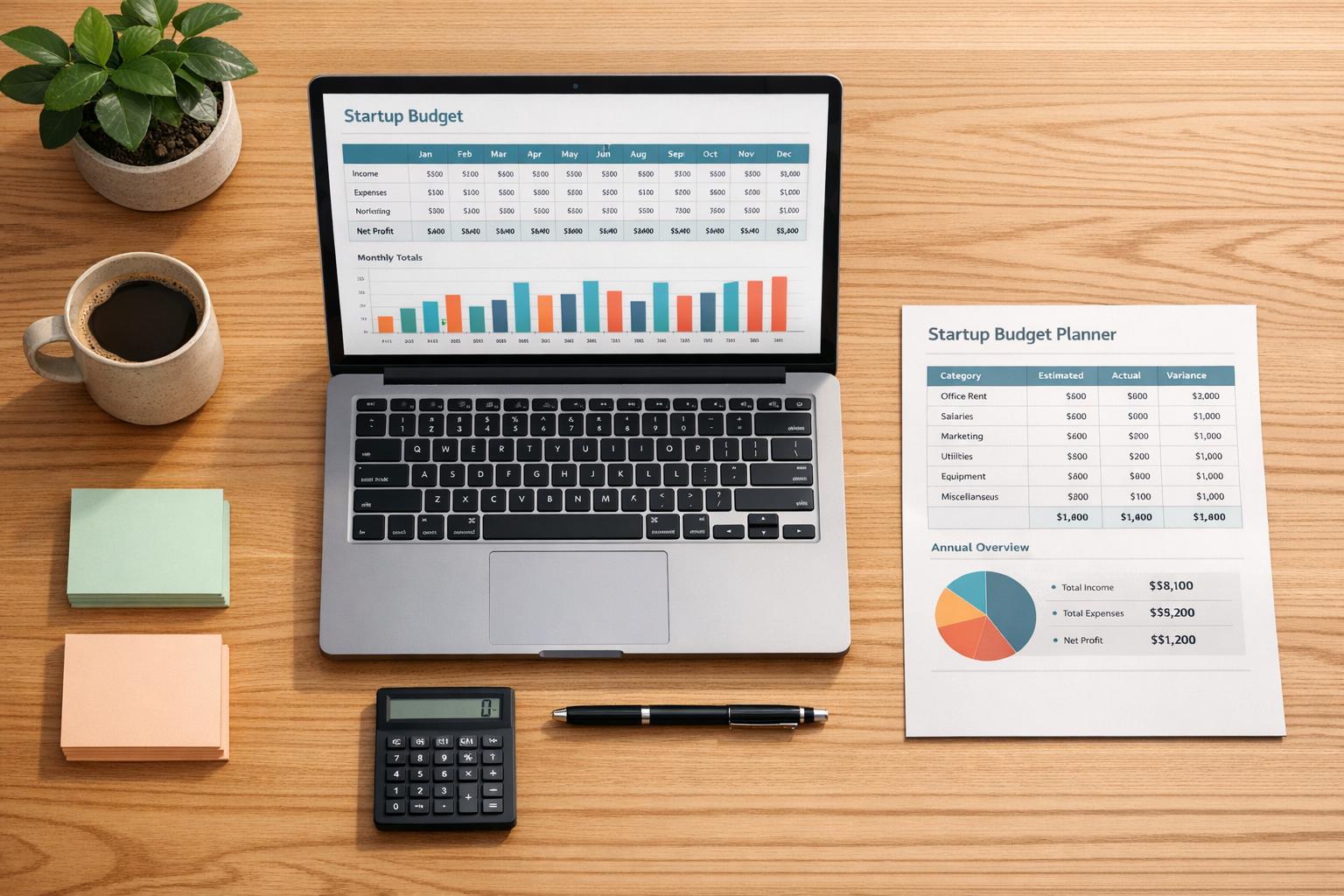
Great question! Our Startup Budget Planner lets you input all your expected costs—think rent, salaries, or equipment—across a 12-month period. It adds everything up for you, showing monthly and yearly totals, plus a percentage breakdown of where your money’s going. This way, you can spot if you’re overspending on, say, marketing, and tweak your plan before it’s too late. It’s like having a financial roadmap right at your fingertips.
Absolutely, you can! We know startup costs aren’t always round numbers, so our tool accepts decimal inputs for precision. Whether it’s $125.50 for utilities or $2,499.99 for equipment, just type it in. The results will be rounded to two decimal places in the summary, so everything looks clean and professional while still being accurate.
Pretty much! Whether you’re launching a tech company, a small retail shop, or a freelance gig, this planner works for any business with initial expenses to track. The categories—like rent, marketing, and miscellaneous—are flexible enough to fit most needs. If you’ve got unique costs, just pop them into the ‘miscellaneous’ field. It’s designed to adapt to your situation, so you can focus on building your dream without financial stress.